Why Austin Floors and Furniture Fade Near Windows
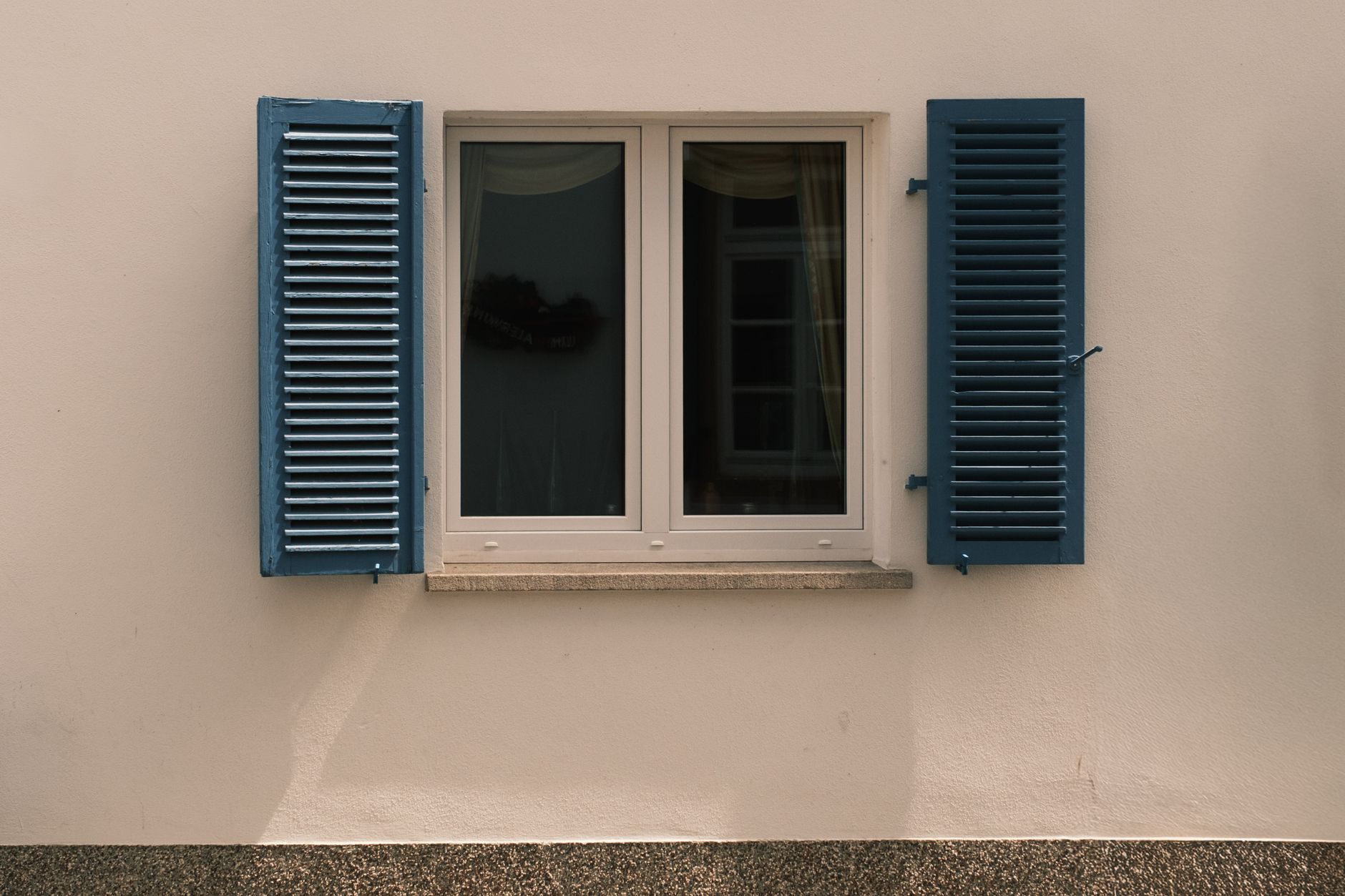
Walk through an older house near Hyde Park or Travis Heights in late summer and the same story shows up by the front windows: a rug with a pale stripe, a sofa arm gone a shade lighter on one side, a hardwood floor with a bright rectangle where the sun lands. Austin sunshine is strong and it lasts, and the glass in the window decides how much of it reaches the furniture. The questions below come up often when a homeowner starts to compare glass options.
What actually fades a rug or a floor near a window?
Three things travel through window glass: visible light, ultraviolet light and heat. Ultraviolet does the most chemical damage, breaking down dyes and the finish on wood. Visible light adds to it, and heat speeds the reaction up. Standard clear glass lets most of all three through, which is why the same patch of floor can look two different colors after a few summers.
Austin makes this worse than most places. Highs of ninety degrees or more show up on well over a hundred days a year, and the long daylight hours mean a south or west room sits in direct sun for a large part of the day. A floor in a cool northern city might take a decade to show a line. Here it can show up in a few seasons.
Which part of the glass slows fading?
The coating does. A low e coating is a thin metallic layer on one of the glass surfaces inside an insulated glass unit. Its main job is to reflect heat, but it also cuts a good share of ultraviolet light. A double pane unit with a soft coat low e layer passes far less ultraviolet than the same unit with plain glass, and a unit with two coatings or a stronger stack can pass less again.
Laminated glass is the other tool. It bonds a clear plastic layer between two sheets of glass, and that layer absorbs most ultraviolet. It is heavier and needs a deeper frame, so it shows up most often on large picture windows, a bay window facing a lake view, or a room holding something valuable.
Does a darker tint protect a room better?
A tint reduces visible light, and that dims the room along with the glare. It does less for ultraviolet than people expect, and a dark bronze or gray film can make a living room feel like the inside of a sunglass lens at noon. A clear low e coating, matched to the wall, usually does the job without taking the daylight away.
The better rule is to pick the coating by the direction the wall faces. A west wall that takes hard afternoon sun deserves the strongest coating. A north wall sees gentle light for most of the year, and a lighter coating there keeps the room bright and the view clear.
Which windows in an Austin house fade things fastest?
The west side wins that contest. Late sun comes in nearly flat and reaches deep into the room, so it lights floors, the backs of chairs and artwork on the opposite wall. South windows take a high summer sun that an overhang can shade, but the low winter sun slips under the eave and strikes the floor. East windows give a morning burst that fades curtains more slowly. North windows are the gentlest.
Large sizes matter too. A wide slider or picture window lets in far more light than a narrow double hung, and a house with a wall of glass facing the Colorado River or Lady Bird Lake takes a long run of sun across the whole afternoon. On a lot beside Lake Austin with no trees, the whole house gets that treatment.
Does the frame change anything?
The frame does not stop fading, but it affects how the glass behaves. A vinyl window or fiberglass window holds its seal steady through the heat cycles. A dark clad window can get hot enough to stress the unit's edge seal, and an aluminum window with no thermal break pulls heat into the room around the glass. Cool-colored frames on a west wall are a quiet way to take some load off the glass.
The gas fill matters less for this question. An argon fill improves the u factor, which is the winter number, and it does not change how much ultraviolet comes through. What controls fading is the coating, the glass thickness and whether a laminated layer is present.
What can be done short of new windows?
Quite a lot. Shades, blinds and curtains lined on the glass side cut the light before it reaches the floor, and a lined curtain on a west window makes a visible difference in one season. A wide roof overhang, an awning or a shade tree on the sunny side takes much of the direct hit. Rugs can be rotated twice a year so the wear and the fade spread evenly. A rug pad with a breathable weave also helps the fibers age more evenly.
A clear window film applied to the inside of existing glass can cut ultraviolet and some heat. It is a stopgap more than a cure, since it sits on a single pane or an older double pane that still passes more heat than a modern unit, and it can void the warranty on some insulated glass. It buys time for a house where a full window replacement is a few years away.
Do freezes and hot weeks change the choice?
A hard freeze arrives roughly every two years in Austin, and a cold week asks something different of glass than a hot July does. The coating that protects the floor in summer also keeps the inside glass surface warmer in winter, because the same layer that reflects heat out in July reflects it back in during a freeze. The u factor on the label shows this, and a good double pane with a warm edge spacer handles both seasons without a trade-off.
The one place the two goals pull apart is a north room that rarely sees sun. A very strong solar coating there can make the room feel dim for no gain, since there was never any hard sun to block. A lighter coating suits that wall, and a different glass spec on the sunny side of the same house is normal practice.
How should a homeowner compare glass for fading?
Start with the label, which lists solar heat gain, visible transmittance and, on some units, an ultraviolet figure. Compare units with the same frame style so the numbers line up. Ask what coating sits on which surface, and whether laminated glass is available in the sizes needed. A sample piece held up against a lit window shows the tint and the clarity far better than a spec sheet.
Then walk the house in the afternoon and note where the light lands. The marks on the floor and the fade lines on the furniture are a map of the problem. Windows that throw the strongest light onto the most valuable surfaces get the strongest glass, and the rest can be specified for comfort and clarity.
Where does a house on the west side of town fit in?
Houses on the hills west of the Balcones Escarpment tend to sit higher and take more open sky, so the sun reaches the glass for longer and from lower angles late in the day. Homes in the older central neighborhoods often have trees that shade some walls through July and leave others bare. Neither is better or worse, just different, and each calls for its own spec.
Fading is slow and easy to ignore until the line appears, and glass with the right coating on the right wall keeps floors, rugs and furniture looking the way they did when they were new.