Window Condensation During an Austin Freeze
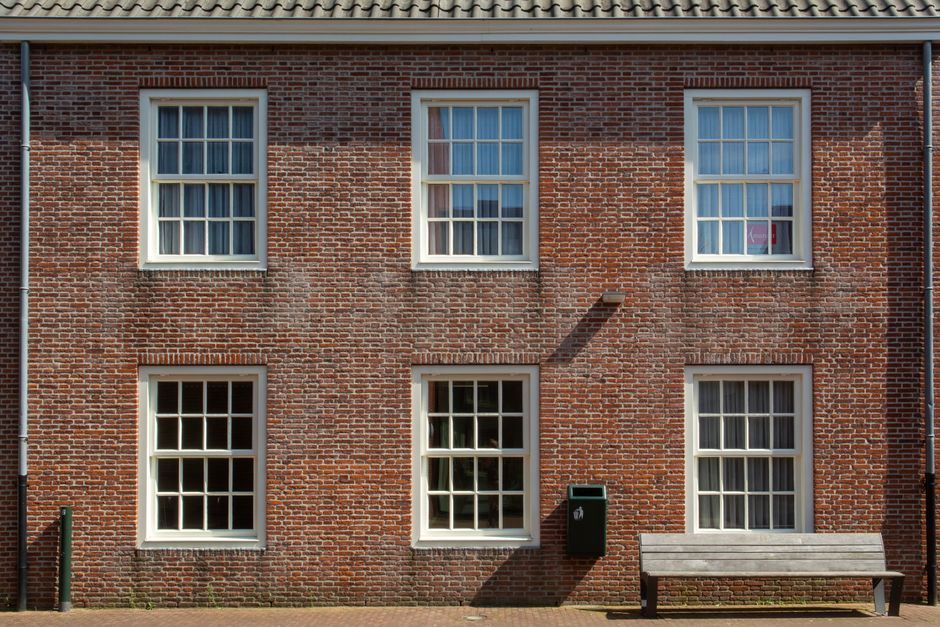
In a city where a hard freeze comes roughly every two years, a window that never sweated in summer can bead up overnight, and the running record window replacement austin fish tommy holds shows it happening first on old glass in Austin, TX houses where a replacement window was never fitted. Condensation is a surface temperature problem before it is a window problem.
Why glass sweats in a freeze
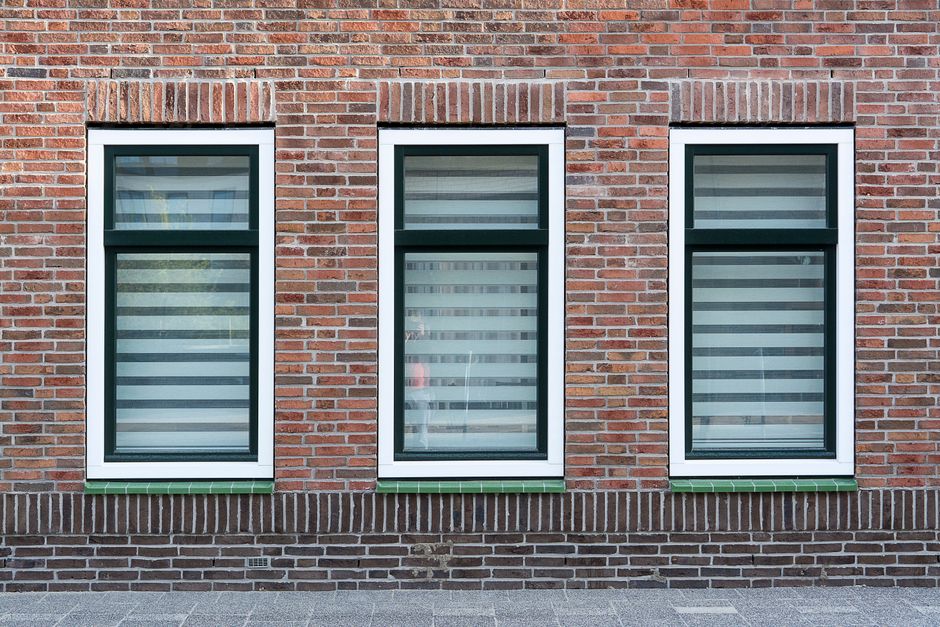
Warm indoor air carries water vapor from cooking, showers and breathing. When that air touches glass colder than its dew point, the vapor turns to water. A freeze drops the outer pane far below room temperature, and the inner pane follows it, particularly at the edges, where the glass is coldest.
The edge is the weak point
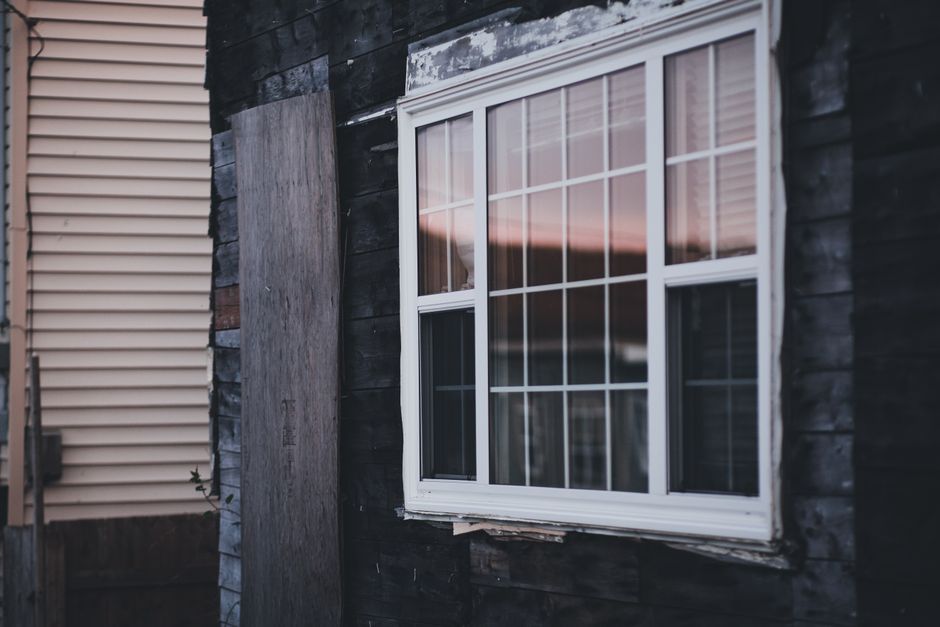
The center of an insulated glass unit stays warmer than the edge, because the spacer conducts heat out of the unit. An aluminum spacer pulls the edge colder than a warm edge spacer does. That is why condensation shows first as a thin line of moisture around the border of the glass rather than across the whole pane.
What helps and what does not
A double pane unit with a low e coating and an argon fill keeps the inner surface warmer than single pane glass, which can drip all morning. A triple pane goes warmer again. A lower u factor means a warmer inner pane and less sweat. Closing blinds traps cold air against the glass and makes it worse.
Frames and the window style
A vinyl window and fiberglass window frame hold less cold than an old aluminum window with no thermal break, where the frame itself sweats and drips on the sill. A wood window can swell if wet. A casement shuts tight against its gasket, a sliding sash leaks more air, and the leaks cool the glass near the track on a freezing night.
Moisture inside the house
A house near Shoal Creek or Barton Springs with damp soil under a pier and beam floor can add humidity to the air inside. Bathroom fans vented to the attic and a cooking range with no hood add vapor too. Fix those and the glass sweats less no matter which unit is fitted.
Condensation or a failed seal
Water on the room side of the glass wipes away and returns on the next cold night. A film between the panes never wipes off and means seal failure. The two are different problems that look alike for the first few minutes, so wipe the glass and see which side holds the moisture.